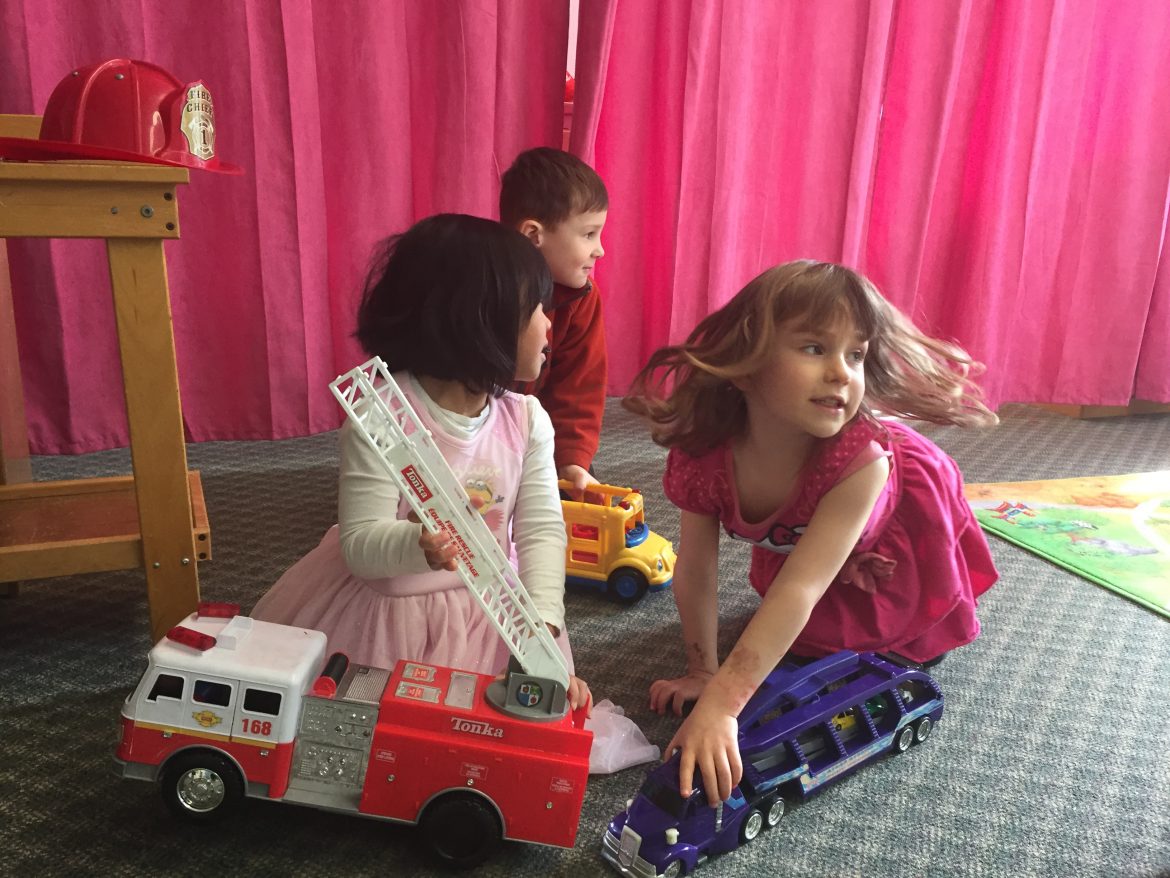
This little gem of a toy store, is waiting with warm friendly arms to remind generations both old and new, what you can experience when visiting an independent toy store this holiday season.
Reviewed by Lorrie Holmes


This little gem of a toy store, is waiting with warm friendly arms to remind generations both old and new, what you can experience when visiting an independent toy store this holiday season.
Reviewed by Lorrie Holmes
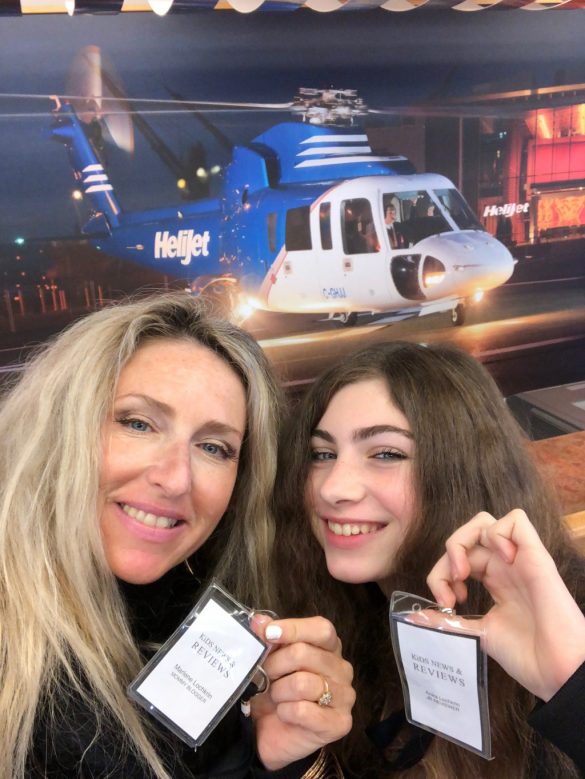
And so it begins. The struggles of raising a teenager are heart wrenching, frustrating, and just simply aging me. But we press on day to day with love in our hearts. It seems we receive the brunt of their anger and are the main target when they have bad days and sometimes I get tired of being seen as mostly the bad guy. As luck and fortune would have it, my daughter and I were graced with a 24 hour, epic getaway for just the two of us. It was something we both really needed. Life seems to have disconnected us as of late, so this was a chance to hopefully bond and give our mother-daughter relationship that much needed boost.


Take the Hero Challenge and be a hero for a family in need, by GIFTING A NIGHT at Ronald McDonald House.
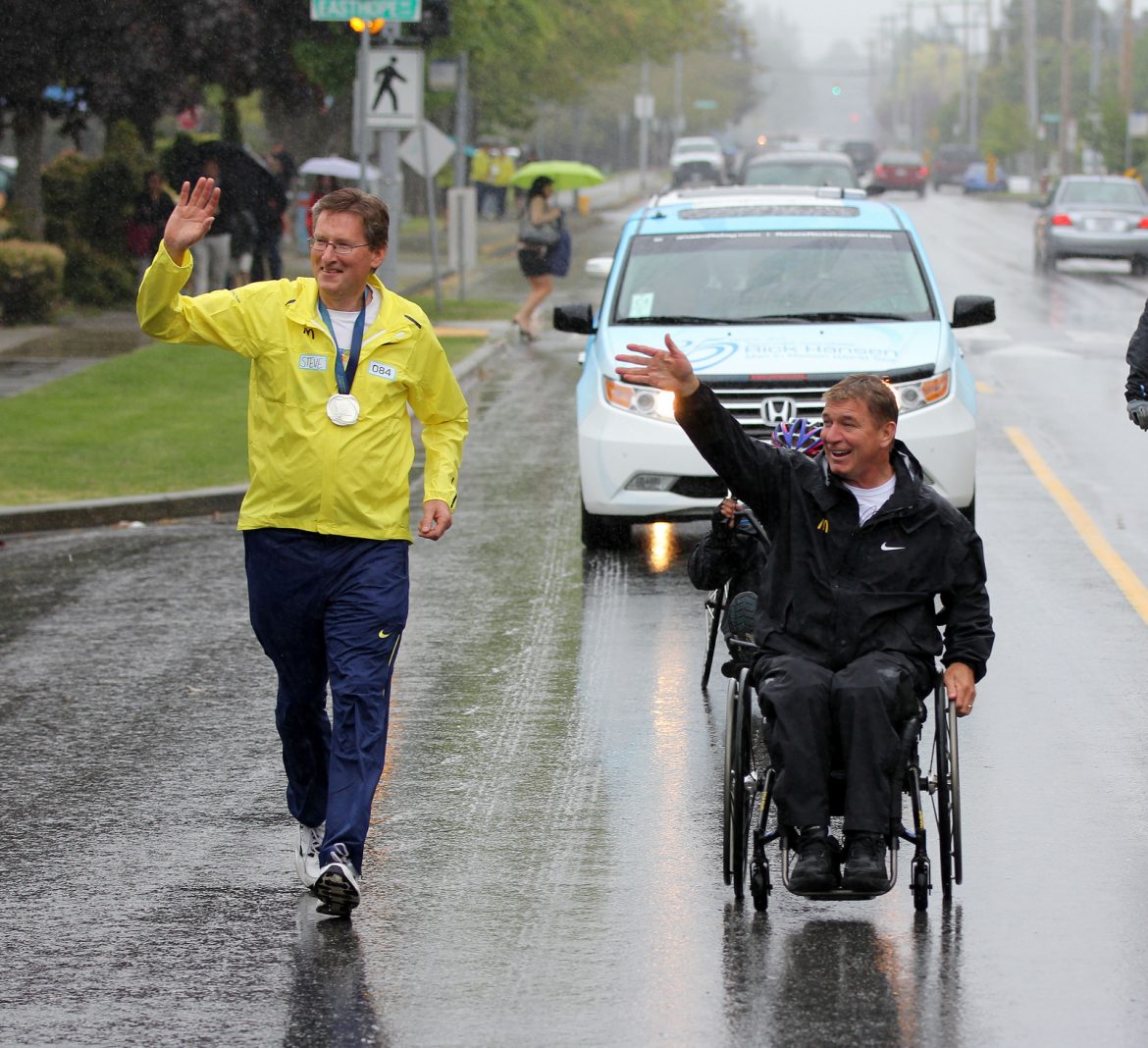
WE CAN BE HEROES COMMUNITY HELPER PROGRAM has just been delivered to preschools and elementary schools throughout the community of South Delta, British Columbia, Canada, thanks to our sponsor, Steve Krawchuk, owner of McDonald’s Restaurants in both Tsawwassen and Ladner. This creative arts package includes a printed and digital book, original song and music video, along with fun story extending activities to help the kids better explore the meaning of community and to learn about the many local heroes we have all around us. Within the community focused context of this program, everyone can be a hero. This begins with the children, and we are challenging them, and any supportive adults in their lives – parents, teachers, so forth – to become heroes for other kids. We have come up with a Community Hero Challenge for everyone to get involved in.
As kids, families and teachers download the We Can Be Heroes digital book and song, there is a percentage that goes towards Ronald McDonald House BC & Yukon. “We are really excited about this.” Steve explains, “We are challenging our community to take part in this fundraiser. Let’s see how many downloads we can achieve. For every $75.00 raised for Ronald McDonald House, a family gets to offset the cost of a one night stay.”


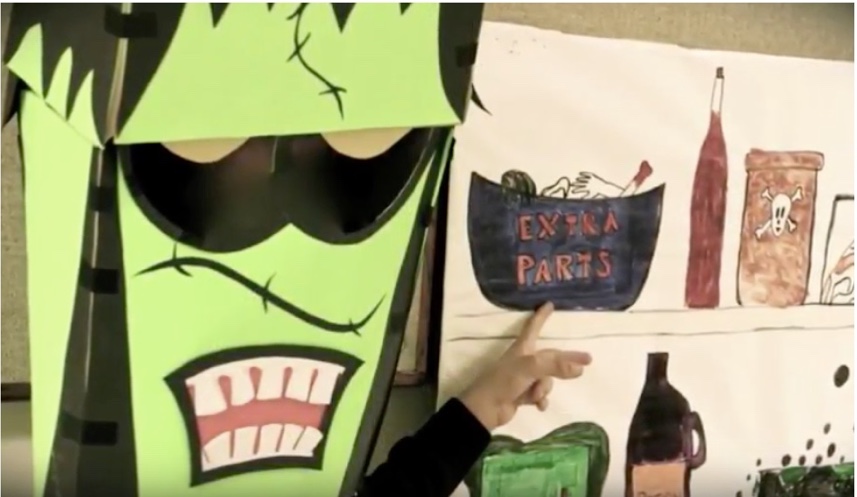
Ana discusses what a hero is. Children share their ideas of the people in their community whom they consider to be the everyday heroes.
Written by LORRIE HOLMES
For the launch of KiDS NEWS & REViEWS, we have created our editorial lineup around the theme of The Everyday Hero. We did so because it’s empowering. It focuses on selflessness, bravery, and respect. On doing things for the sole purpose of helping others while not expecting anything in return. Our mandate is to focus on what we have to offer our society instead of what is lacking. These are all the things we want our children to think about. As the editor and parent of KiDS NEWS & REViEWS, I’m wanting to keep our children’s voices proactive. Focusing them on what can be gained if they share their communication with each other, and with us adults – as both teachers and caregivers. Regardless of their ideas, thoughts and emotions, I encourage our kids to share them all. To fully express themselves by coming up with their own opinions and solutions. Not unlike us adults, kids also want to feel heard and understood. So let’s encourage them to lend us their voices, and even their hearts if we’re really lucky! As children write the content here, they will speak directly to each other. As editor, I am thrilled to work with them on shaping their stories to be emotionally intelligent, inspiring and honest. This will hopefully open up a whole new world of communication for them – and even for us adults – to help us better guide our youth in our ever changing world.

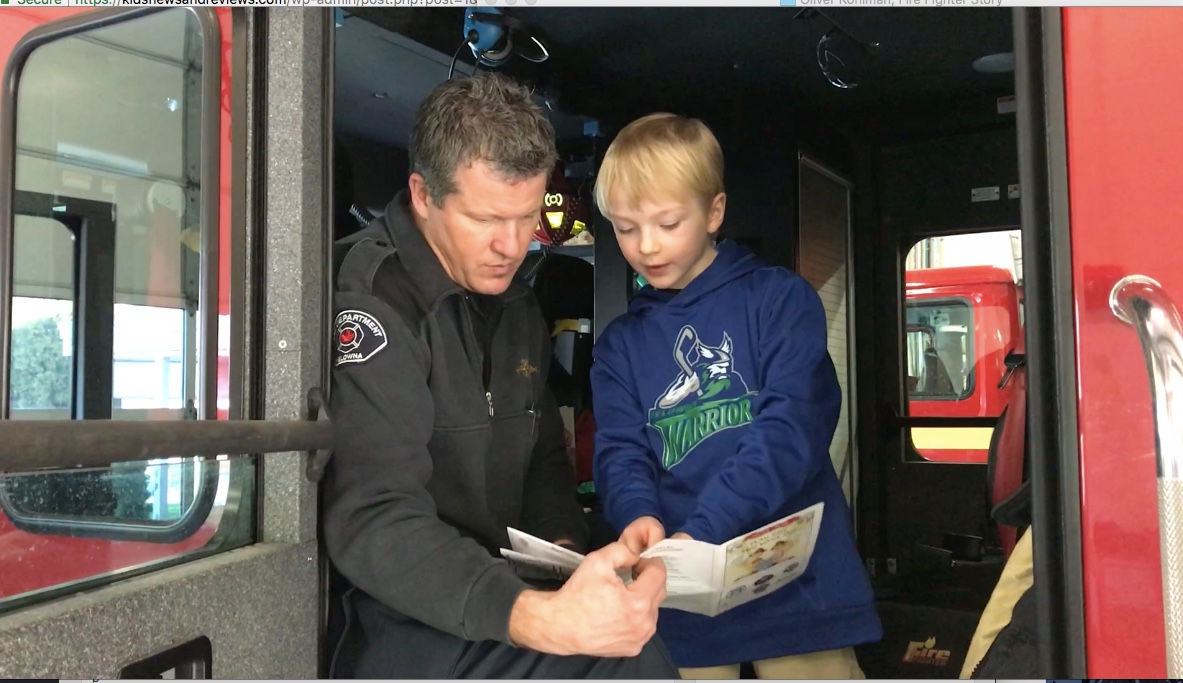
Fire Safety Report by OLIVER, Grade 1 Student, Willowstone Academy
Oliver is learning a lot about fire safety and is excited to pass on this valuable information to his peers, family, and the community-at-large. He’s taking his questions to Firefighter Johnston who is stationed at Rutland Fire Station in Kelowna, British Columbia, Canada. Here is what Oliver found out for us.
HOW MANY FIRES HAS FIREFIGHTER JOHNSTON FOUGHT?
HOW DO FIREFIGHTERS STAY SAFE WHILE FIGHTING FIRES?
WHY SHOULD EACH ONE OF US CREATE OUR OWN FIRE SAFETY PLAN?
FIREFIGHTER JOHNSTON’S ADVICE TIP #1.
FIREFIGHTER JOHNSTON’S ADVICE TIP #2
WHY PRACTICE MAKES PERFECT – AND KEEPS UP SAFE!
ONE LAST QUESTION!




WRITTEN BY GRADE 1 & 2 STUDENTS OF PEBBLE HILL TRADITIONAL ELEMENTARY
Grade 1 and 2 students of Pebble Hill Traditional Elementary choose police dog, TUSK, as their community hero to report on for this story.
WHO is TUSK?
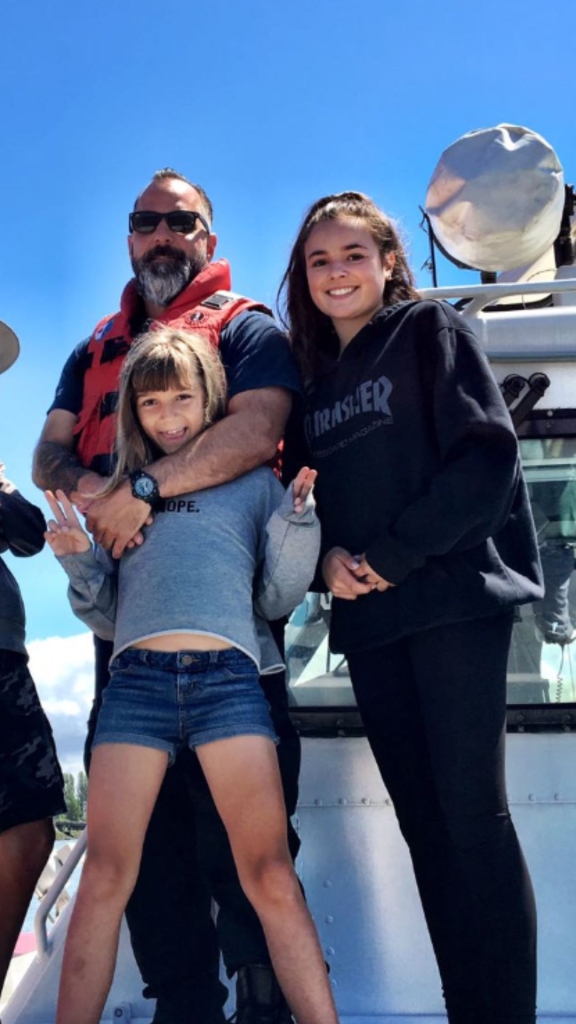
Written by Sophia, Age 8, Bright Eyes Academy, Ladner, BC
Sophia loves to write and illustrate stories and her inspiration for this one was her father who is a Coast Guard. She is proud of what he does for his work, which is rescue people and sometimes animals out at sea!!!
